Mission & History
Since 1985, Cortona Week has pursued a simple conviction: education should deepen what we know without narrowing who we become.
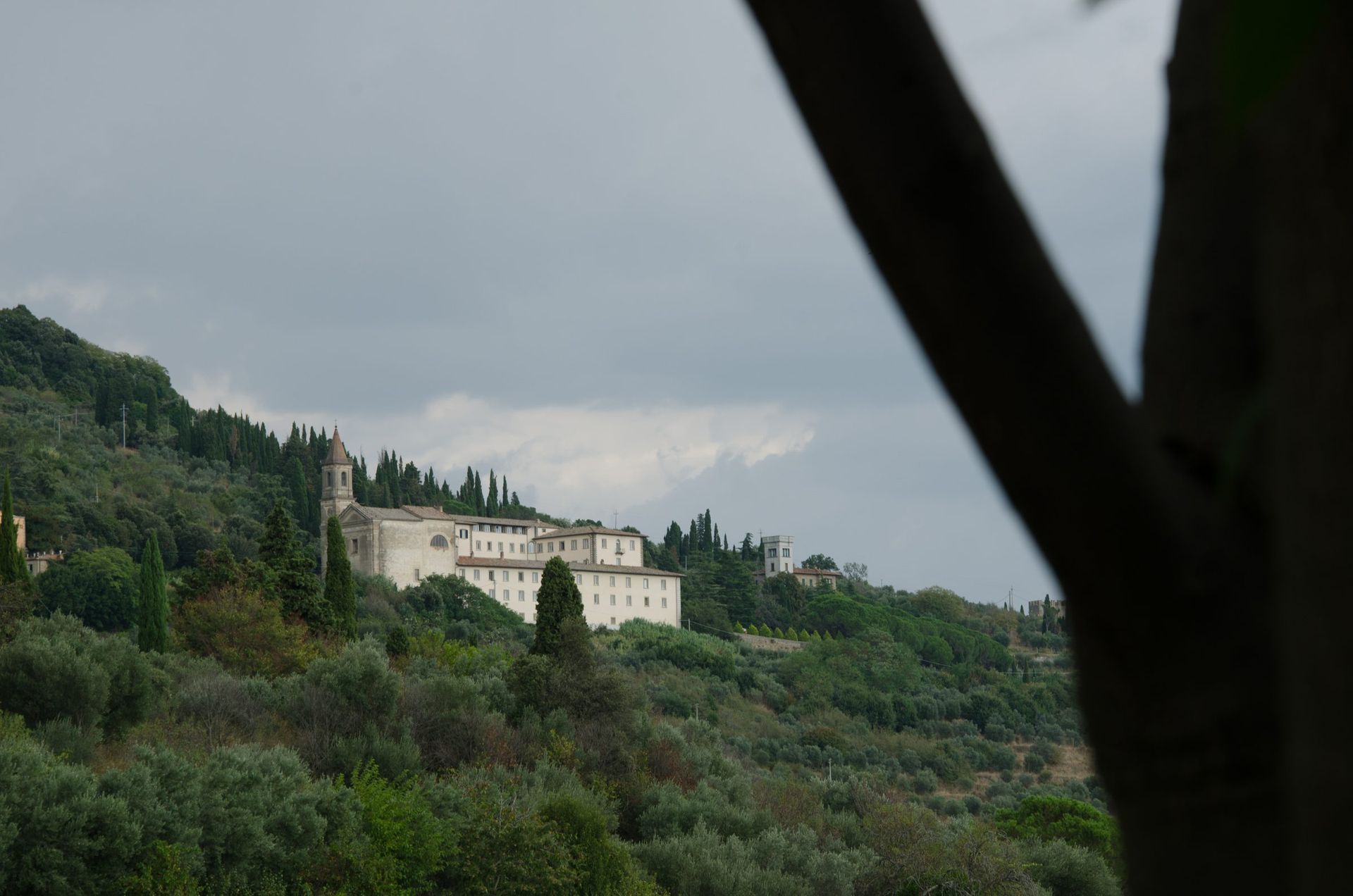
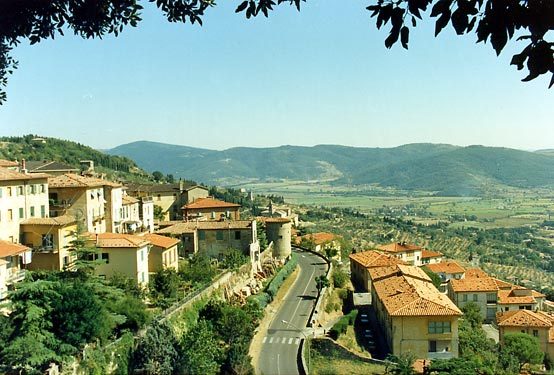
There is a town in Tuscany that sits on a hill between the Val di Chiana and Lake Trasimeno. Its Etruscan walls are still standing. Virgil tells us that Dardanus left this hilltop, crossed the Aegean and founded the line that built Troy and, generations later, Rome. A seed planted in a small place, grown somewhere else entirely.
1985: twenty minutes to explain an idea
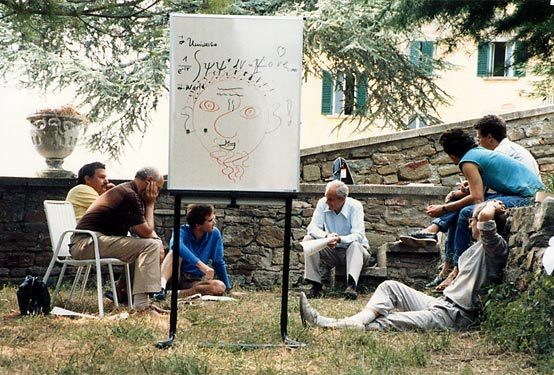
Pier Luigi Luisi was Professor of Macromolecular Chemistry at ETH Zurich when he attended the 1983 Alpbach conference, Other Realities. There, he listened to physicists, biologists, monks and philosophers address common questions, bridging the way knowledge had been separated into distinct fields. He wanted to create a similar encounter for young scientists: a week that brought science into conversation with philosophy, religion, art and embodied experience. He believed that science becomes stronger when it was understood as part of a larger human enterprise. He spent the next eighteen months looking for financial support for his idea.
His path eventually crossed that of entrepreneur and philanthropist Branco Weiss, who gave Luisi twenty minutes to explain his idea: "If an idea needs more than twenty minutes to explain, it is a bad idea".
They needed less. Weiss agreed on the spot, with one condition: hold it somewhere beautiful, possibly in Tuscany.
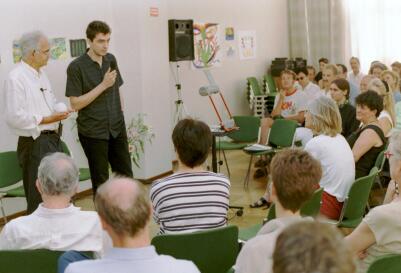
In September 1985, two years after Luisi's eye-opening Alpbach experience, a hundred people gathered at a former monastery in Cortona, under a motto "Science and the Wholeness of Life".
The ETH years, 1985–2017
Branco Weiss funded the First ten Cortona Weeks, asking for nothing in return. ETH was the Week's patron for the next three decades starting in 1985, recognising the programme's educational and developmental value.
The Zurich University of the Arts (ZHdK) joined as co-organiser in 2008, the programme becoming the ETH’s summer school within the IDEA League, and both universities eventually recognised it in their credit systems.
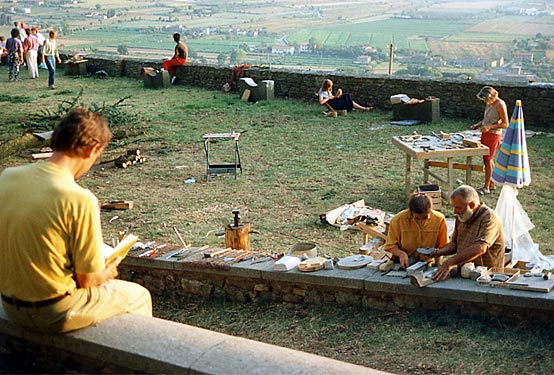
The list of people who taught in Cortona Week reads like an argument for the whole idea:
- David Bohm, physicist
- Francisco Varela, neuroscientist
- Lynn Margulis, evolutionary biologist
- Fritjof Capra, systems theorist
- Joan Halifax, Zen teacher and anthropologist
- Richard R. Ernst, Nobel laureate
- Roald Hoffmann, Nobel laureate
- Tania Singer, social neuroscientist
- Federico Faggin, physicist and microprocessor pioneer
- Brother David Steindl-Rast, Benedictine monk
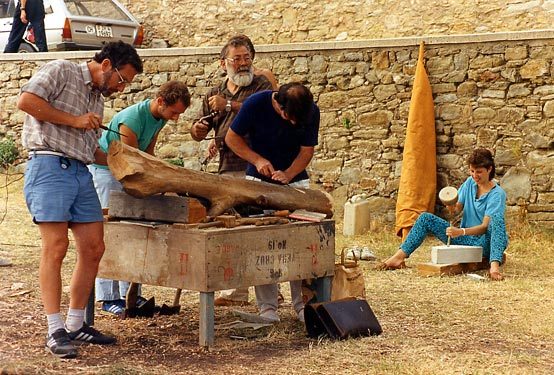
Lecturers and students also took part in the artistic workshops. Many participants returned in later years, as speakers, workshop leaders or members of the organising community.
Cortona Week also held editions in the United States in 2009 and Hyderabad in 2010. These remained individual editions rather than developing into separate series.
2017: the pause
In 2017, ETH Zurich ended its cycle of financial and organisational support to the Cortona Week, despite strong feedback from participants. The programme no longer fitted the university’s priorities.
2018–2024: rebirth
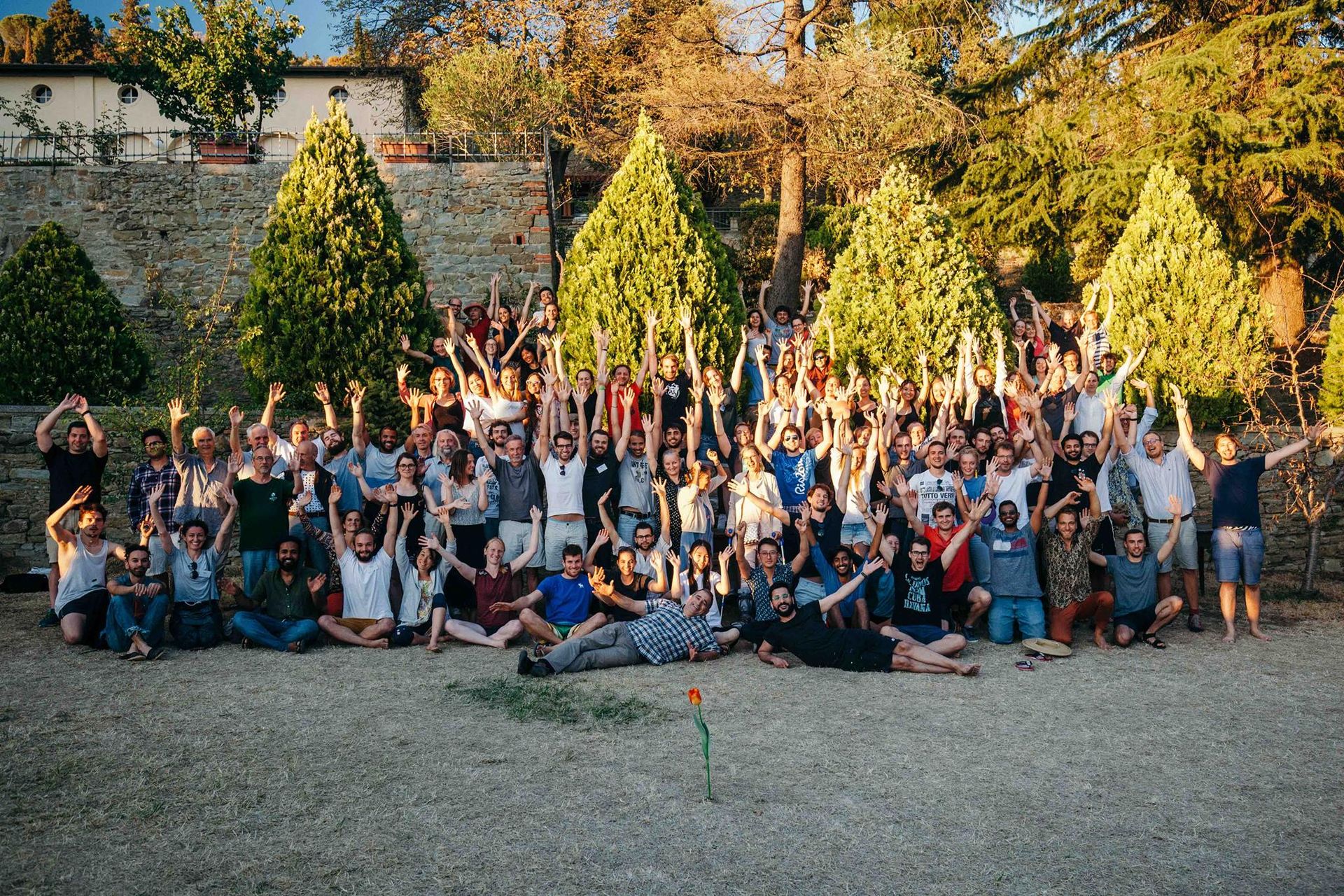
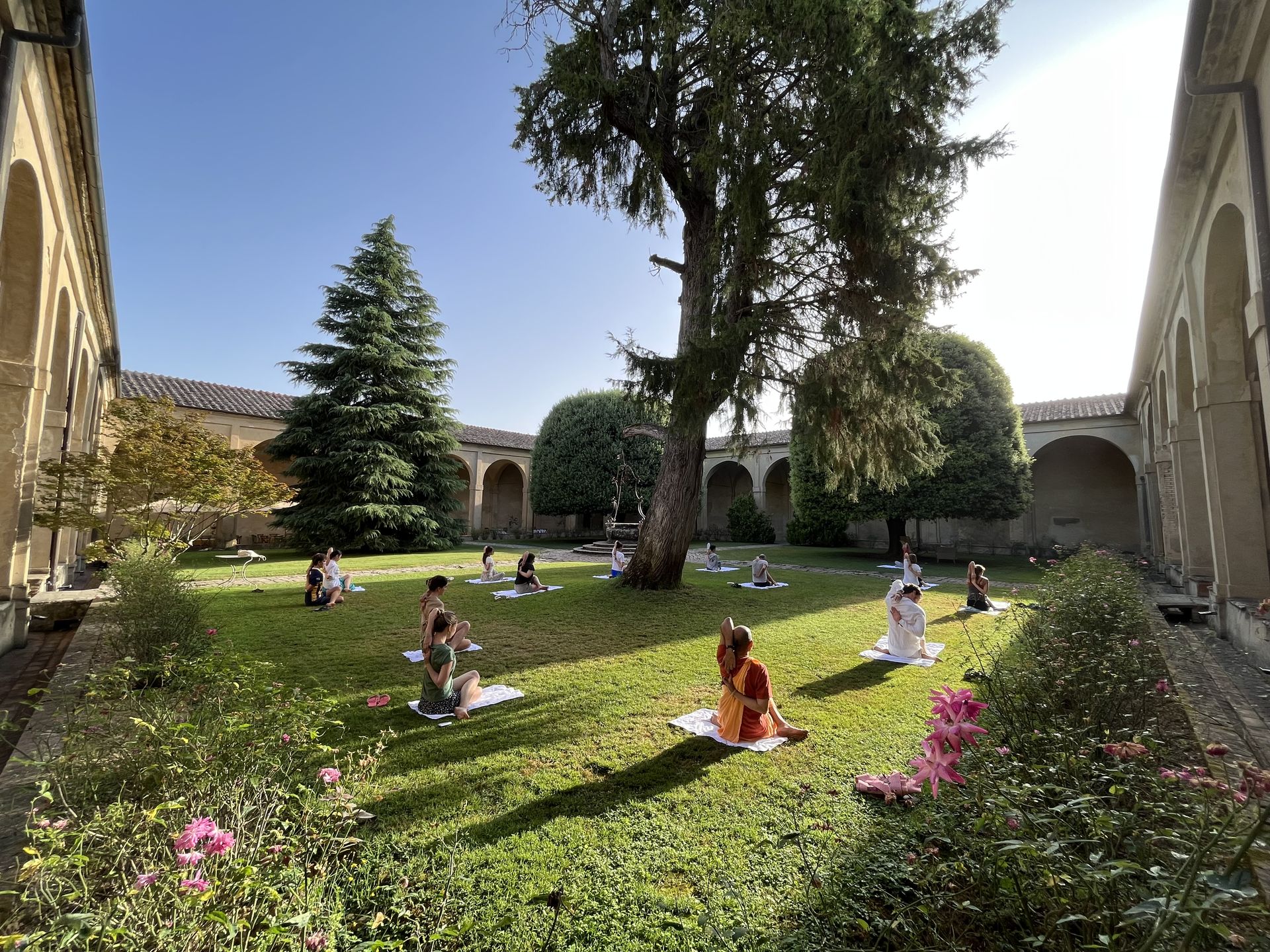
Under Pier Luigi Luisi’s leadership, alumni and organisers continued the programme independently, holding editions in Todi in 2018 and 2019. The residential week paused in 2020 due to COVID-19 pandemic restrictions, and in 2021 the Cortona Week community met virtually during online "Cortona Pearls". Residential editions resumed at the Certosa di Pontignano near Siena in 2022 and 2023, and at the Fraternità San Leonardo al Palco near Prato in 2024.
Across these years, the organisers sustained six editions without the support of a university or other host institution.
2026: a permanent home
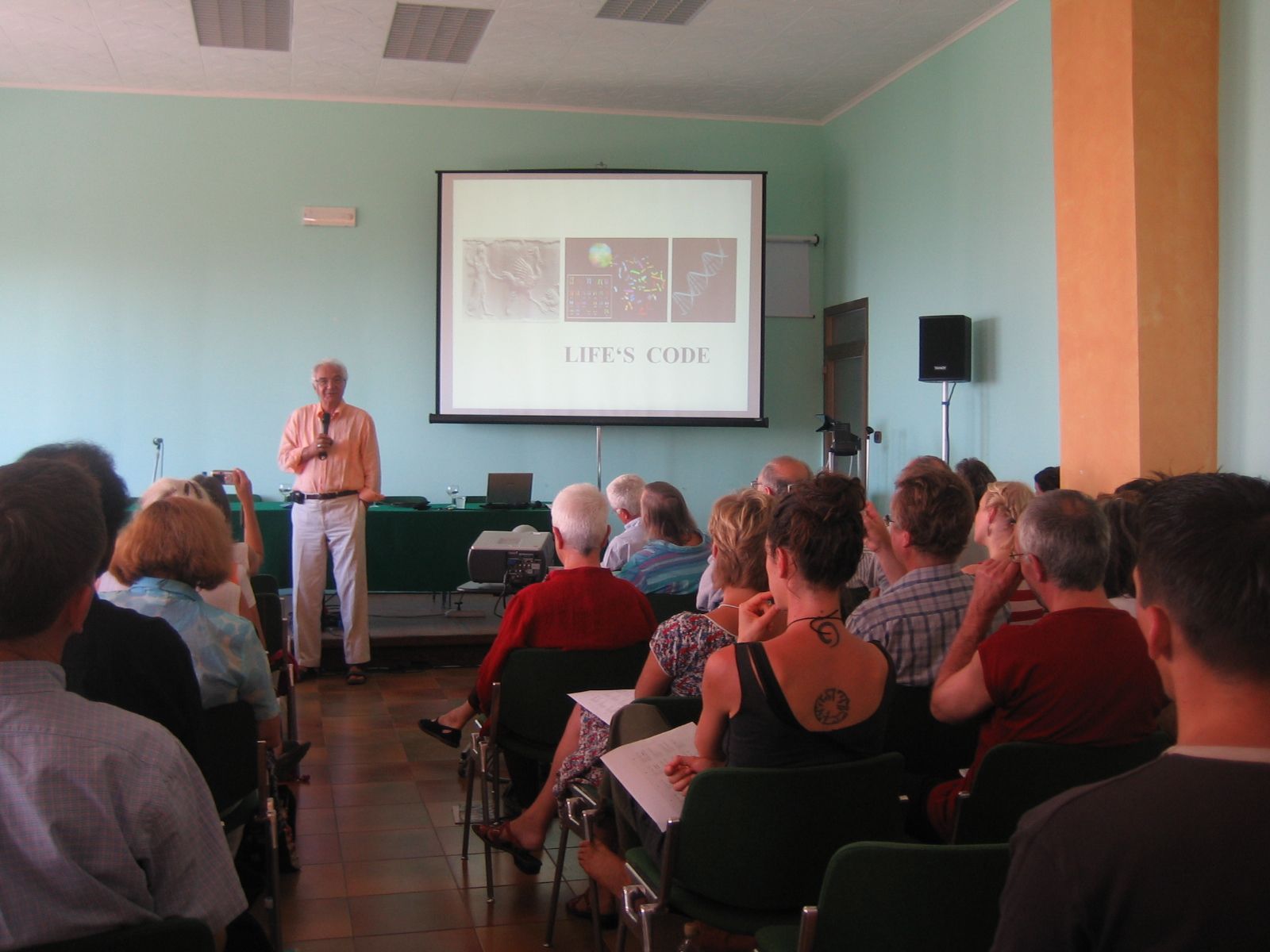
In 2026, the Cortona Week Association was founded in Switzerland to organise future editions and establish a stable base for an idea which is still of the utmost importance and urgency today.
While the Cortona Week Association organises the week, ETH Alumni Cortona Week connects it to the university where it began, and to its students and alumni.
Cortona Week does not replace specialised education. It is intended for people with substantial training or experience in a field and creates a setting in which that expertise can meet other disciplines, artistic practice and reflection.
Since 1985 · 36 editions · 3,000+ participants
Purpose, Mission, Vision
- Purpose
- To continue and build upon the tradition of Cortona Week, fostering transdisciplinary exchange across the sciences, the arts, the humanities and the wider domains of human knowledge and experience.
- Mission
- To organise Cortona Week and safeguard its underlying principles; to sustain the community formed since 1985 across disciplines, generations and countries; and to give it a permanent home.
- Vision
- One week a year that changes how people think. The great problems of our time are systemic and cannot be met by one discipline alone. We envisage a world in which deep training in a field is just one element shaping the person who holds it.